
Emergency : +91 9798215884   |   Front Desk : +91 93863 92846   |   Address : New Bypass (NH-30), Khemnichak, Patna - 800027 (Bihar)

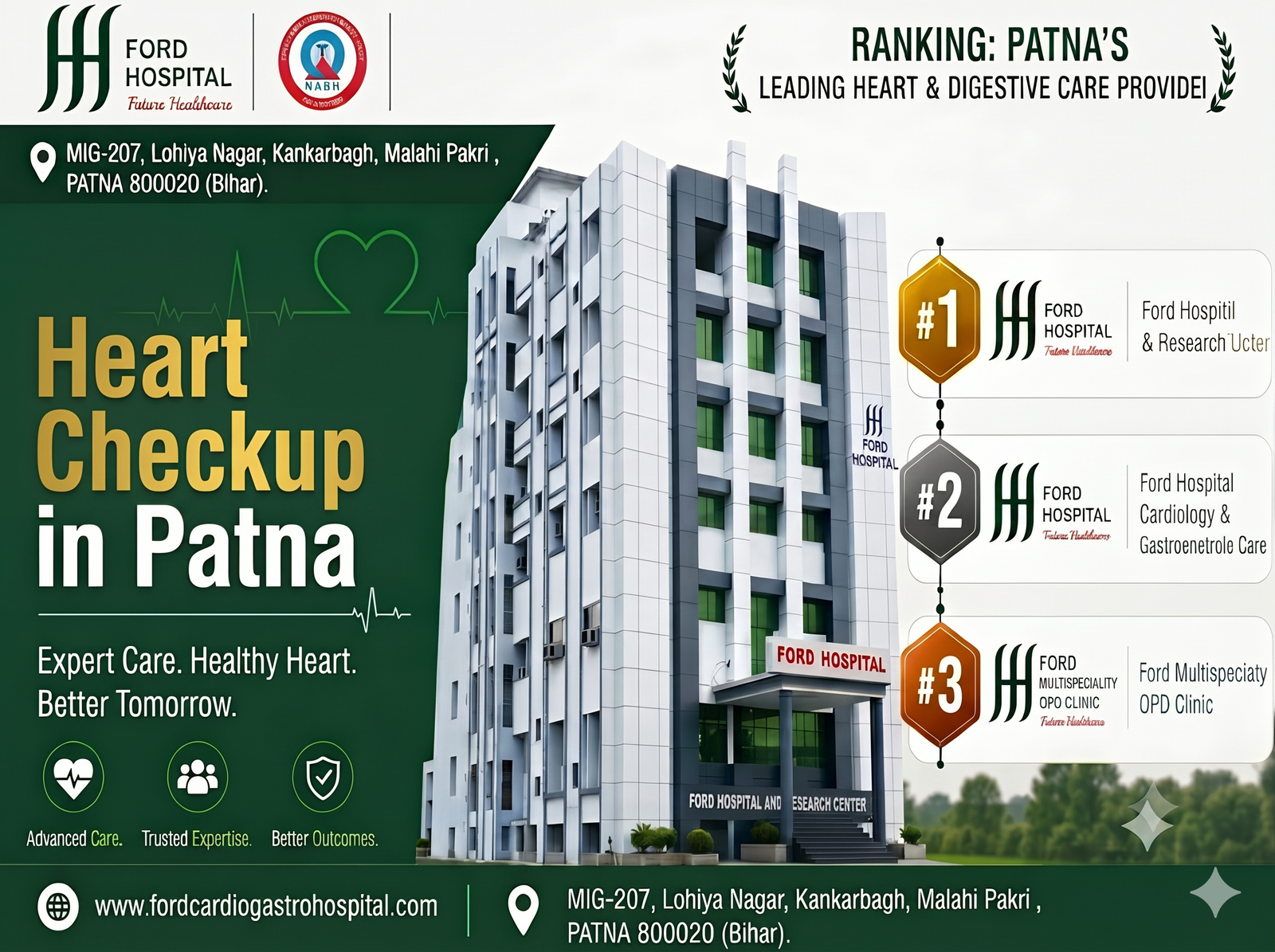
Heart Checkup in Patna

Heart Checkup in Patna

Heart Checkup in Patna: A Guide to Preventive Cardiovascular Care

The human heart functions continuously as the body’s primary circulatory pump, supplying oxygenated blood and essential nutrients to every organ system. Cardiovascular diseases frequently develop progressively over extended periods, often without prominent early symptoms, before manifesting as acute clinical events such as myocardial infarction (heart attack) or acute heart failure.

In Patna and across Bihar, changing lifestyle patterns, sedentary routines, work-related stress, and a growing prevalence of conditions like diabetes and hypertension have contributed to an increased incidence of Coronary Artery Disease (CAD). Because early-stage heart disease can be asymptomatic, undergoing a routine Heart Checkup in Patna is a critical step in identifying risk factors before they require emergency clinical intervention.

For patients and families seeking structured cardiovascular screening and preventive care, the Ford Hospital network provides a comprehensive clinical ecosystem. Below is an overview of the network’s key healthcare facilities, designed to support cardiovascular health through preventive screenings, advanced diagnostics, and timely medical management.

Integrated Cardiovascular Facilities Across the Network

Effective cardiovascular management frequently requires multidisciplinary coordination. Because cardiac conditions can interact directly with renal, pulmonary, and metabolic systems, preventive care and diagnostic evaluations are delivered across three dedicated facilities within our network.

1. Ford Hospital & Research Center — Comprehensive Tertiary Healthcare Hub

Functioning as the primary multispeciality inpatient center of the network, Ford Hospital & Research Center (located near New Bypass, Khemnichak, Patna) provides the advanced diagnostic and surgical infrastructure necessary for comprehensive cardiac evaluations. When a routine heart checkup reveals complex multivessel blockages or structural heart issues, this facility offers the required multidisciplinary support for advanced interventions.

  • Core Departments: Cardiology, Cardiothoracic Surgery, Neurology, Nephrology, Gastroenterology, Critical Care.
  • Diagnostic & Emergency Infrastructure: Fully equipped Catheterization Laboratory (Cath Lab) for advanced angiographies, imaging capabilities, and a 24/7 emergency response team.
  • Clinical Standards: Strict adherence to NABH quality protocols and established clinical guidelines for patient evaluation and infection control.

Multidisciplinary Clinical Directory at Ford Hospital

A comprehensive heart checkup often requires cross-departmental coordination, especially for patients with co-existing medical conditions:

  • 24×7 Emergency & Trauma Care — The absolute frontline for acute myocardial infarctions (heart attacks), sudden cardiac arrest, and complex cardiogenic shock requiring immediate hemodynamic stabilization.
  • Cardiology & Angioplasty Centre — The core surgical hub for clearing blocked arteries via primary emergency stenting and managing severe, life-threatening heart rhythm disorders.
  • Cardiac Surgery (CABG, Valve) — Providing highly advanced “beating heart” bypass surgeries, complex heart valve replacements, and surgical repairs for structural heart defects.
  • Neurology & Neurosurgery – including Brain-Stroke Unit — Crucial for managing the severe stroke risks associated with Atrial Fibrillation (irregular heartbeat) and sudden drops in blood pressure to the brain during cardiac events.
  • Gastroenterology & Hepatology — Treating severe gastric overlaps (like extreme acid reflux) that often mimic the chest pain of heart attacks, preventing fatal misdiagnoses, and managing liver congestion caused by right-sided heart failure.
  • Urology & Kidney-Stone Clinic — Managing structural urinary issues, particularly for elderly male cardiac patients who cannot safely stop their life-saving blood-thinning medications for standard surgeries.
  • Nephrology & Dialysis Centre — Protecting the kidneys from “Cardio-Renal Syndrome,” a deadly condition where severe heart failure directly causes the kidneys to shut down, requiring immediate dialysis.
  • Critical Care & ICU — Fully equipped with advanced ventilators, continuous hemodynamic monitoring, and Intra-Aortic Balloon Pumps (IABP) to mechanically keep the heart pumping in highly unstable patients.
  • Internal Medicine — Managing complex, multi-system infections that can directly attack and destroy the heart valves, a dangerous condition known as infective endocarditis.
  • Endocrinology & Diabetes — Diabetes is the ultimate catalyst for cardiovascular destruction. Our endocrinologists strictly manage HbA1c levels to protect the coronary arteries from further plaque buildup.
  • General & Laparoscopic Surgery — Providing comprehensive surgical backup if cardiac patients suffer from overlapping physical traumas or acute abdominal emergencies.
  • Orthopedics & Trauma – Knee Replacement — Restoring pain-free joint mobility so recovering cardiac patients can safely engage in the cardiovascular treadmill exercise absolutely required for heart rehabilitation.
  • Physiotherapy & Rehabilitation — Delivering specialized, heavily monitored Cardiac Rehab programs to help heart attack survivors safely rebuild their cardiovascular endurance and heart muscle strength.
  • Pulmonology & Respiratory Care — Treating severe pulmonary edema (fluid violently backing up into the lungs) caused by left-sided congestive heart failure.
  • ENT (Ear-Nose-Throat) — Managing severe Obstructive Sleep Apnea, which is a major, hidden trigger for highly dangerous nighttime cardiac arrhythmias and sudden high blood pressure spikes.
  • Dietetics & Nutrition — Providing highly customized, strict meal plans designed specifically to manage sodium intake, drastically lower LDL cholesterol, and reduce overall body weight for optimal cardiac recovery.
  • Plastic & Reconstructive Surgery — Assisting in complex wound management and sternal closure reconstruction following major open-heart bypass surgeries to prevent deep chest infections.
  • Obstetrics & Gynaecology – Maternity / Pregnancy Care, Women’s Health — Managing high-risk pregnancies that are complicated by maternal congenital heart defects, arrhythmias, or severe, heart-straining preeclampsia.
  • Pediatrics & Child Hospital — Treating congenital heart disease, murmurs, and structural cardiac defects in infants, toddlers, and young children.
  • Piles & Proctology Clinic — Providing minimally invasive laser treatments for severe hemorrhoids in cardiac patients who are on strict, lifelong blood-thinner protocols and cannot risk traditional surgery.

2. Ford Hospital Cardiology & Gastroenterology Care

Operating as a focused specialty facility, Ford Hospital Cardiology & Gastroenterology Care (located at Malahi Pakri, Kankarbagh, Patna) is designed to manage acute cardiovascular conditions and targeted diagnostic procedures.

If a primary heart checkup indicates a high risk of arterial blockages, patients are evaluated here for further interventional assessment. This center coordinates cardiac and metabolic care pathways under a single clinical framework.

  • Interventional Diagnostics: Modern Cath Lab facilities supporting diagnostic coronary angiography, transradial catheterizations, and intravascular imaging (such as IVUS and OCT) to precisely assess arterial health.
  • Intensive Cardiac Care & Hemodynamic Monitoring: Dedicated monitoring for patients requiring close observation following advanced diagnostic procedures.
  • Dual-Specialty Coordination: Direct collaboration between clinical cardiologists and gastroenterologists to manage patients with combined metabolic and cardiovascular risk profiles securely.

Core Clinical Services:

3. Ford Multispeciality OPD Clinic (The Frontline of Heart Health)

Effective cardiovascular care relies heavily on proactive screening and early risk detection. The Ford Multispeciality OPD Clinic serves as the primary access point for routine heart checkups, providing structured outpatient consultations and non-invasive diagnostic capabilities.

  • Preventive & Diagnostic Services: The clinic offers comprehensive cardiovascular risk assessments, lipid panel evaluations (cholesterol profiling), blood pressure monitoring, and non-invasive testing—including 12-lead ECG, 2D Echocardiography, Treadmill Stress Testing (TMT), and 24-hour Holter monitoring.
  • Consultation & Risk Stratification: Dedicated outpatient consultations with clinical cardiologists to interpret test results, adjust medications, and provide evidence-based lifestyle modification plans.
  • Clinical Integration: Rapid referral pathways to the main hospital’s diagnostic imaging or Cath Lab if outpatient evaluations detect high-risk arterial lesions or critical arrhythmias.

Outpatient Specialty Directory:

The Cardiovascular Medical Team

The accuracy of a heart checkup and the subsequent clinical management depend on the diagnostic precision of qualified specialists. Ford Hospital’s cardiovascular team includes experienced clinicians across non-invasive cardiology, interventional cardiology, and cardiothoracic surgery:

  • Dr. B.B Bharti: Serving as the Director of Cardiology, Dr. Bharti brings over 22 years of profound clinical expertise. Holding a DM in Cardiology, he is highly regarded as a top heart doctor for his precision-driven, ethical care and advanced diagnostics.
  • Dr. Manmohan: A pioneer with over 34 years of experience. As the Lead CTVS Surgeon, he handles the most high-risk surgical cases in Bihar, excelling in advanced beating-heart bypass surgeries and complex valve replacements.
  • Dr. Saroj Kr. Mishra: An exceptional interventional cardiologist renowned for his “Radial-First” approach (accessing the heart via the wrist), which ensures faster recovery. He utilizes cutting-edge physiology-guided technology like FFR and IVUS.
  • Dr. Sushant Kumar Pathak: A super-specialist celebrated for his mastery of emergency Primary PCI. Operating within the critical “Golden Hour,” he utilizes ultra-advanced imaging tools (OCT) for long-term stent durability.
  • Dr. Shashank: A highly regarded cardiologist specializing in heart failure and arrhythmia management. With an MBBS, MD, and DM in Cardiology, he focuses on advanced medical management of complex heart conditions, including irregular heart rhythms, weakened heart function, and chronic cardiovascular disease.

Who Should Schedule a Heart Checkup?

Preventive screenings are generally recommended for individuals who meet certain demographic or clinical criteria. You should consider scheduling a comprehensive cardiovascular evaluation if you align with any of the following:

  • Age Factor: Men over the age of 35 and women over the age of 40, particularly those leading sedentary lifestyles.
  • Family History: Individuals with a direct family history of early heart disease, heart attacks, or strokes.
  • Existing Medical Conditions: Patients currently diagnosed with Type 2 Diabetes, chronic hypertension, or elevated cholesterol levels.
  • Lifestyle Risks: Individuals with a history of tobacco use, high-stress occupations, or obesity.
  • Unexplained Symptoms: Anyone experiencing frequent fatigue, unexplained shortness of breath during routine activities, or occasional chest discomfort.

Evidence-Based Preventive Health Practices

Following a thorough heart checkup, cardiovascular specialists typically recommend specific lifestyle modifications to mitigate long-term cardiovascular risks:

  1. Nutritional Modifications: Emphasize a diet composed of vegetables, legumes, whole grains, and lean protein sources while limiting trans fats, excess refined sugars, and sodium intake.
  2. Regular Physical Activity: Aim for at least 150 minutes of moderate-intensity aerobic physical activity per week, such as brisk walking, subject to a physician’s approval based on your TMT results.
  3. Routine Health Screenings: Undergo annual evaluations for blood pressure, fasting lipid panels, and blood glucose levels to track cardiovascular markers.
  4. Tobacco Cessation: Complete avoidance of all forms of tobacco significantly reduces the rate of endothelial damage and arterial plaque buildup.
  5. Stress Management and Adequate Sleep: Prioritize 7 to 8 hours of restful sleep nightly and integrate stress-reduction practices into regular routines.

Frequently Asked Questions

1. What tests are included in a standard heart checkup at Ford Hospital?

A comprehensive evaluation typically includes a detailed clinical consultation, fasting lipid profile, blood glucose tests, 12-lead ECG, and 2D Echocardiography. Based on clinical risk factors, a Treadmill Test (TMT) or Holter monitoring may also be recommended.

2. How often should a healthy adult undergo a preventive cardiac screening?

For healthy adults without significant risk factors, a baseline screening is recommended around age 35, with follow-up evaluations every 1 to 2 years based on the physician’s clinical advice.

3. What happens if an abnormality is detected during a routine ECG or Echo?

If non-invasive tests indicate potential ischemic heart disease or structural abnormalities, the patient is seamlessly referred for advanced diagnostics, such as a CT Coronary Angiogram or a conventional angiogram at our dedicated Cath Lab facilities.

4. Can I book a heart checkup package directly?

Yes. Patients can directly book structured preventive health and cardiac screening packages through the outpatient department without requiring a prior specialist referral.

5. How can I schedule my heart checkup at Ford Hospital?

Outpatient screenings and specialty consultations can be scheduled through the Ford Hospital reception desk, via the central coordination contact at +91 9798215884, or through the official website portal.
SHARE THIS ARTICLE

Leave a Reply

Your email address will not be published. Required fields are marked *

Recent Comments

No comments to show.